By Mary Damiano

I’ve always had a thing for odd numbers. My alarm goes off at 5:37 a.m. I always add 17 seconds to cooking times. I leave gas stations if I can’t get an odd numbered pump. But at Broward Center on Tuesday night, I discovered an even number I actually liked. A lot.
Six, the musical about the sextet of wives of Henry the 8th, is a rocking, electrically-charged good time.
The cast of Six. Photo by Joan Marcus
Here’s the premise: The wives take part in a sob story contest to prove which one endured the most hardships. It’s a clever idea and as the evening progressed, I could imagine how much fun Toby Marlow and Lucy Moss had writing the songs and coming up with modern takes on courtship and marriage in the 16th century.
Divorced. Beheaded. Died. Divorced. Beheaded. Survived. Those were the fates of the six queens, in order, and they’re dying to tell us every sordid detail of why it may be good to be the king, but not so great to be the queen.
First up is Khaila Wilcoxon as Catherine of Aragon, who sets the tone with her energetic rocker “No Way”. Her divorce paved the way for wife number two, Anne Boleyn, played by Storm Lever as a ditzy bubblehead who sings the ironically titled, “Don’t Lose Ur Head”. Jasmine Forsberg, as third wife Jane Seymour, soars with the power ballad “Heart of Stone”. Next up is the delightful Olivia Donaldson as Anne of Cleves, whose “courtship” by Henry is portrayed as a Tinder match. One swipe right and bam—her status is changed to married queen, only to face cruel rejection due to her profile pic. (Who can’t relate to that?) Then there’s the second wife to lose her head, Catherine Howard, played with narcissistic mean-girl glee by Didi Romero. By the time sixth wife, Catherine Parr, played by Gabriela Carrillo, takes the spotlight, the queens have engaged in a lot of cattiness in order to win their unusual contest. But Parr, the only queen to survive their common king, has a unique perspective that ties together the message of female empowerment with a big, metaphorical red bow.
Backed by the all-female band, Ladies in Waiting, the six queens traverse a variety of musical genres—rock, pop, dance, techno, and ballad. There’s a dance mix of “Greensleeves” and, naturally, a Spice Girls reference. Gabriella Slade’s armor-like costumes can be described as Mad Max goes Elizabethan. Emma Bailey’s scenic design is sleek and spare, leaving a clean canvas for Tim Darling’s dazzling rock show lighting.
Six is a brisk 90 minutes with no intermission, and the creators and performers pack a whole lot of fun into that short time. It’s a rollicking good time with an inspired message—and the best even number to come along in some time.
Six runs through October 23 at Broward Center for the Performing Arts in Fort Lauderdale. For tickets and more information, visit BrowardCenter.org




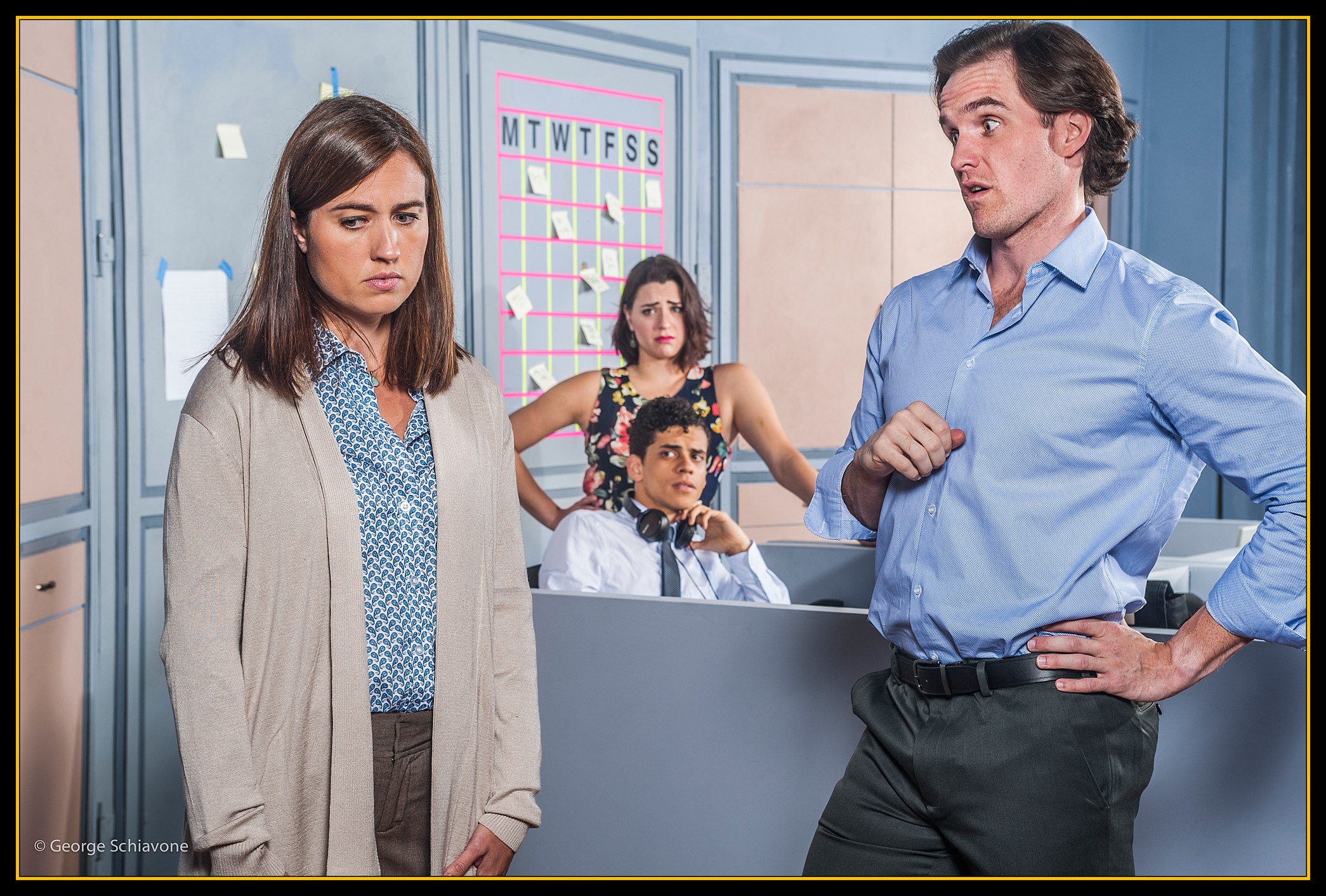
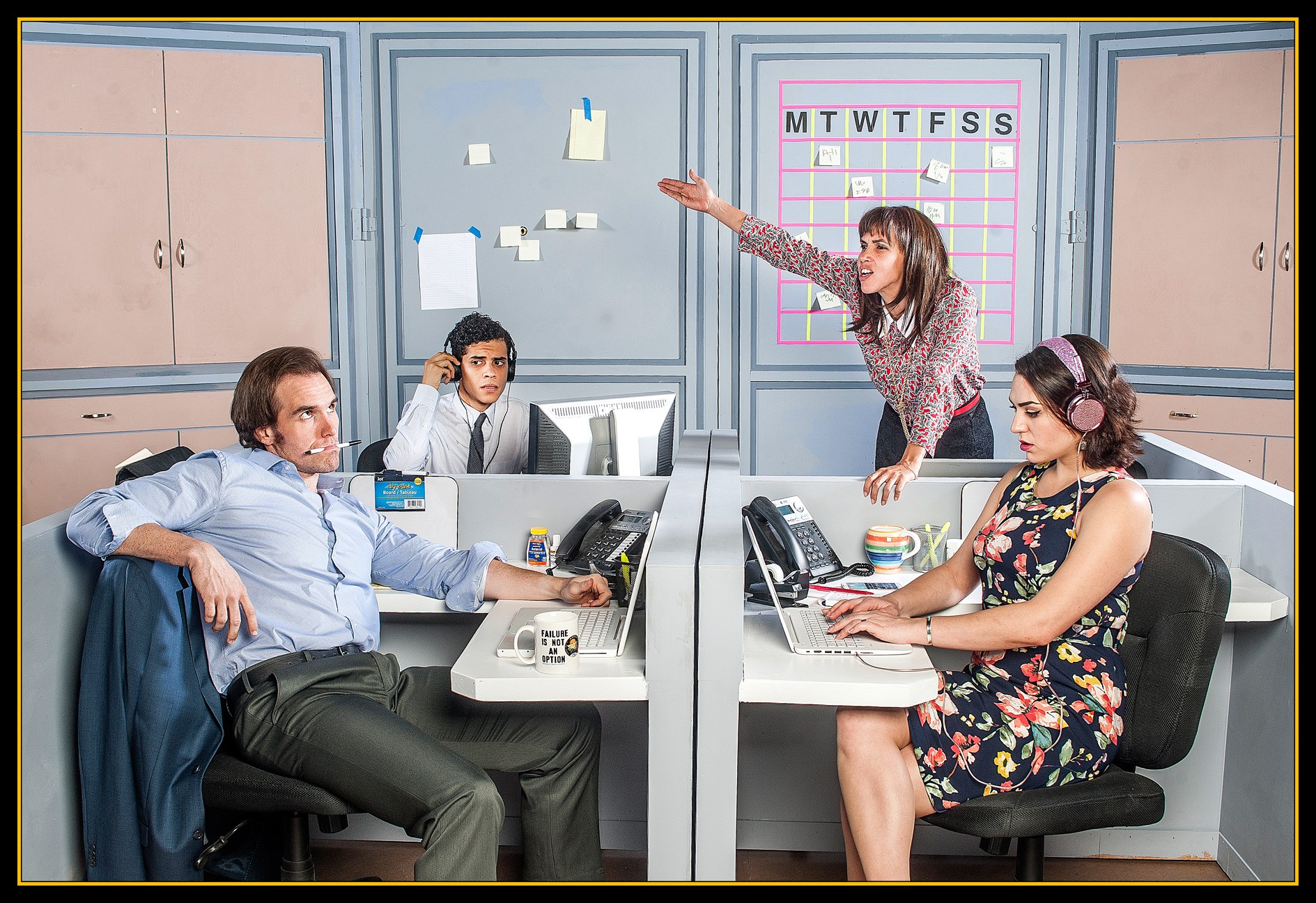
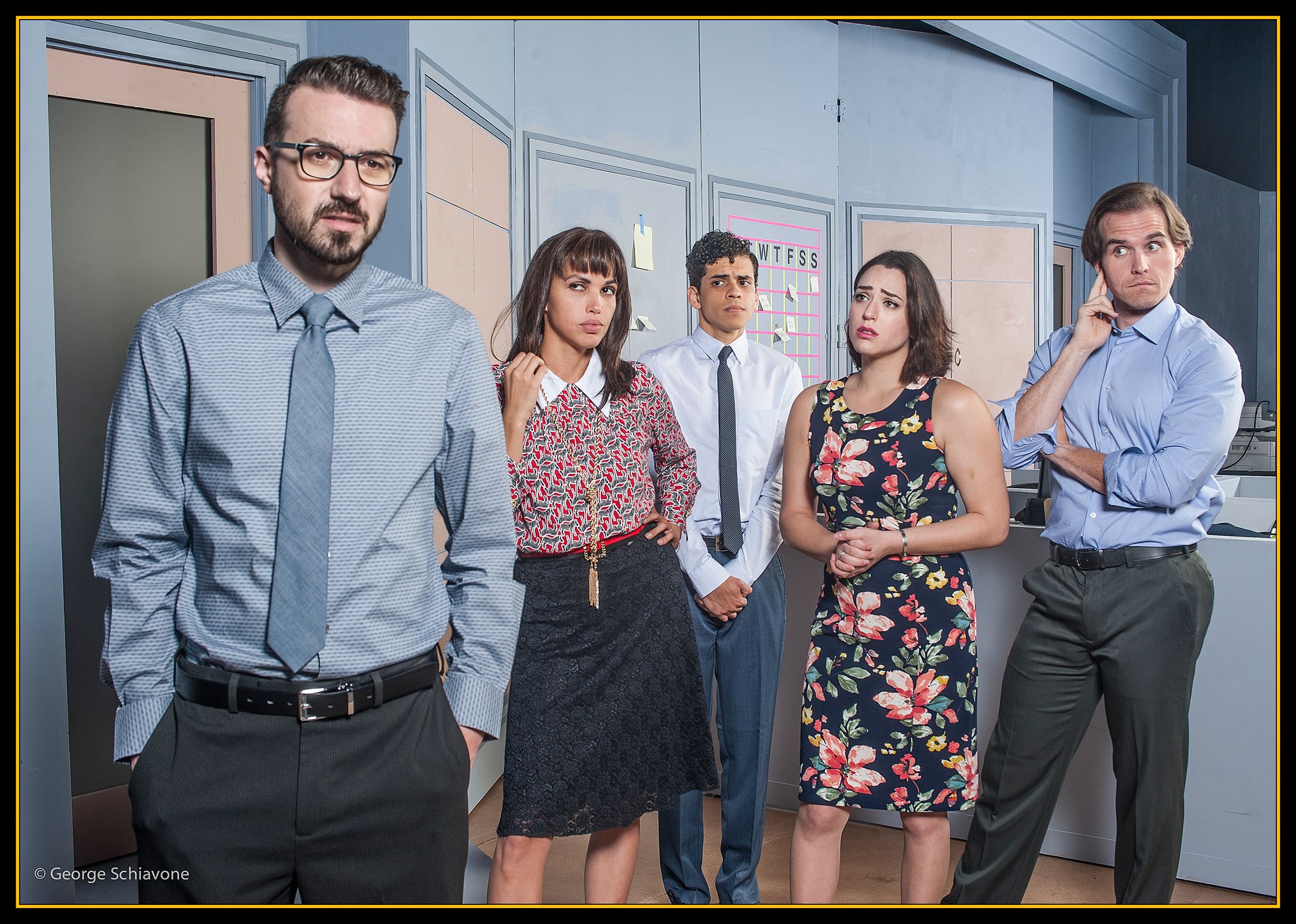
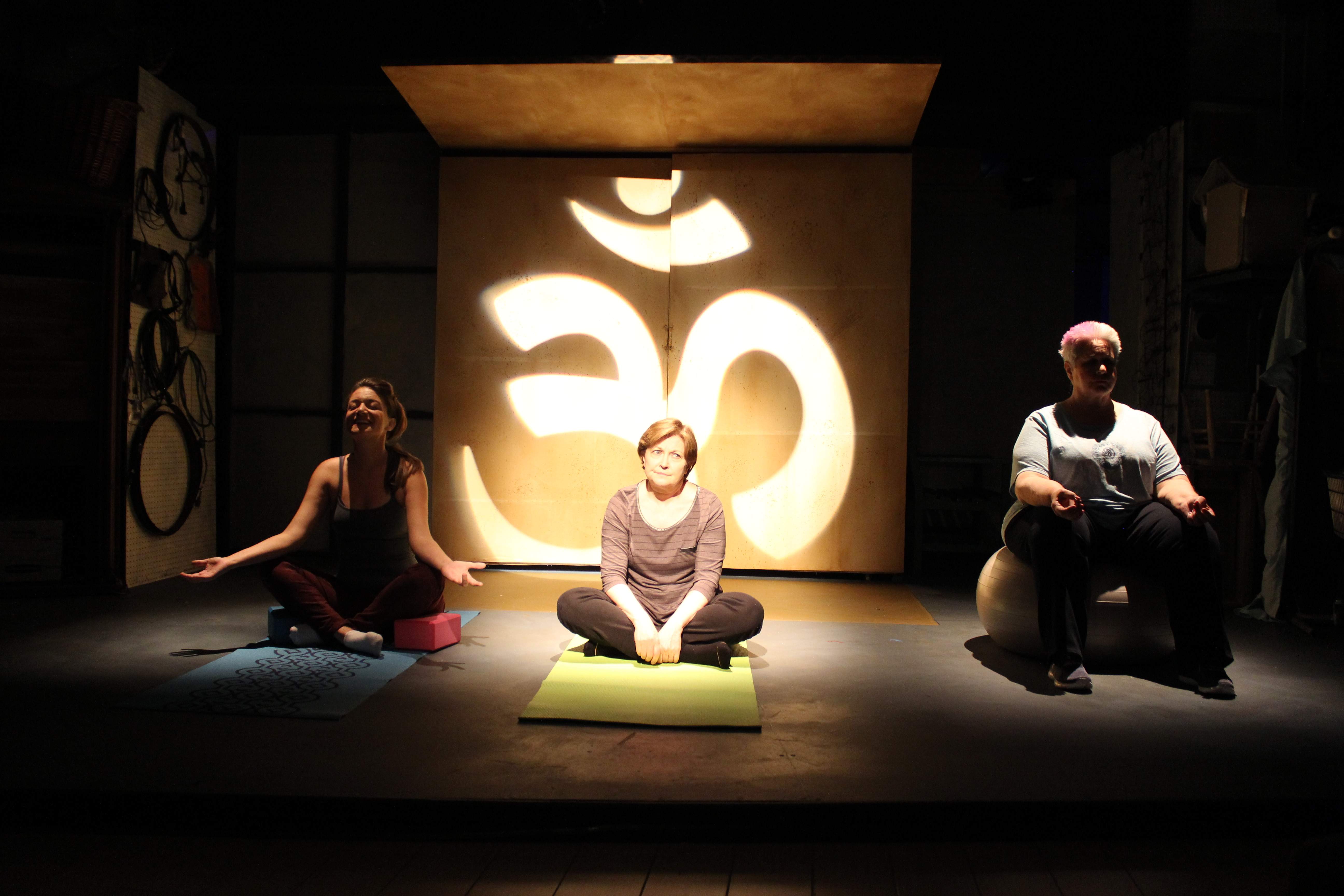
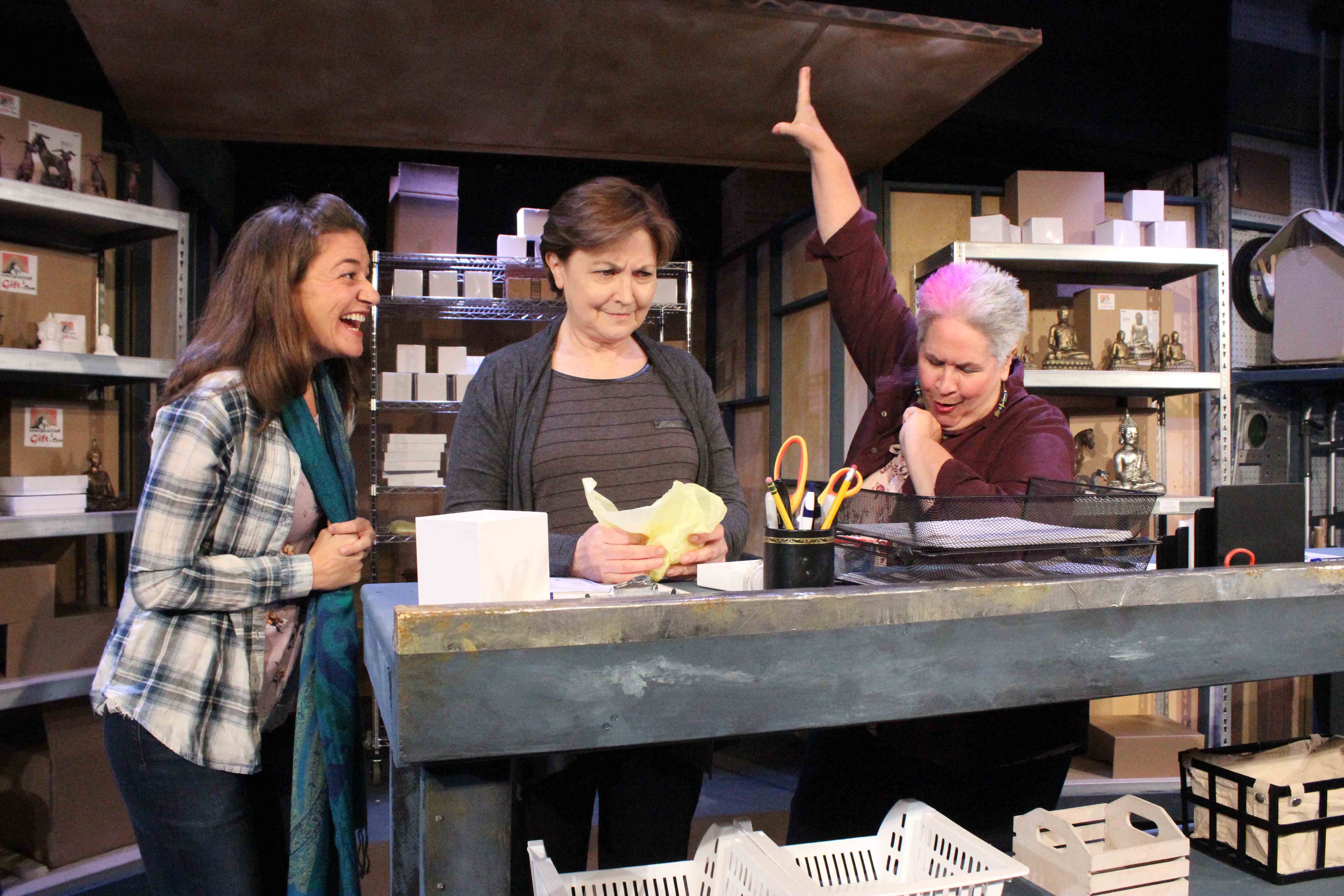
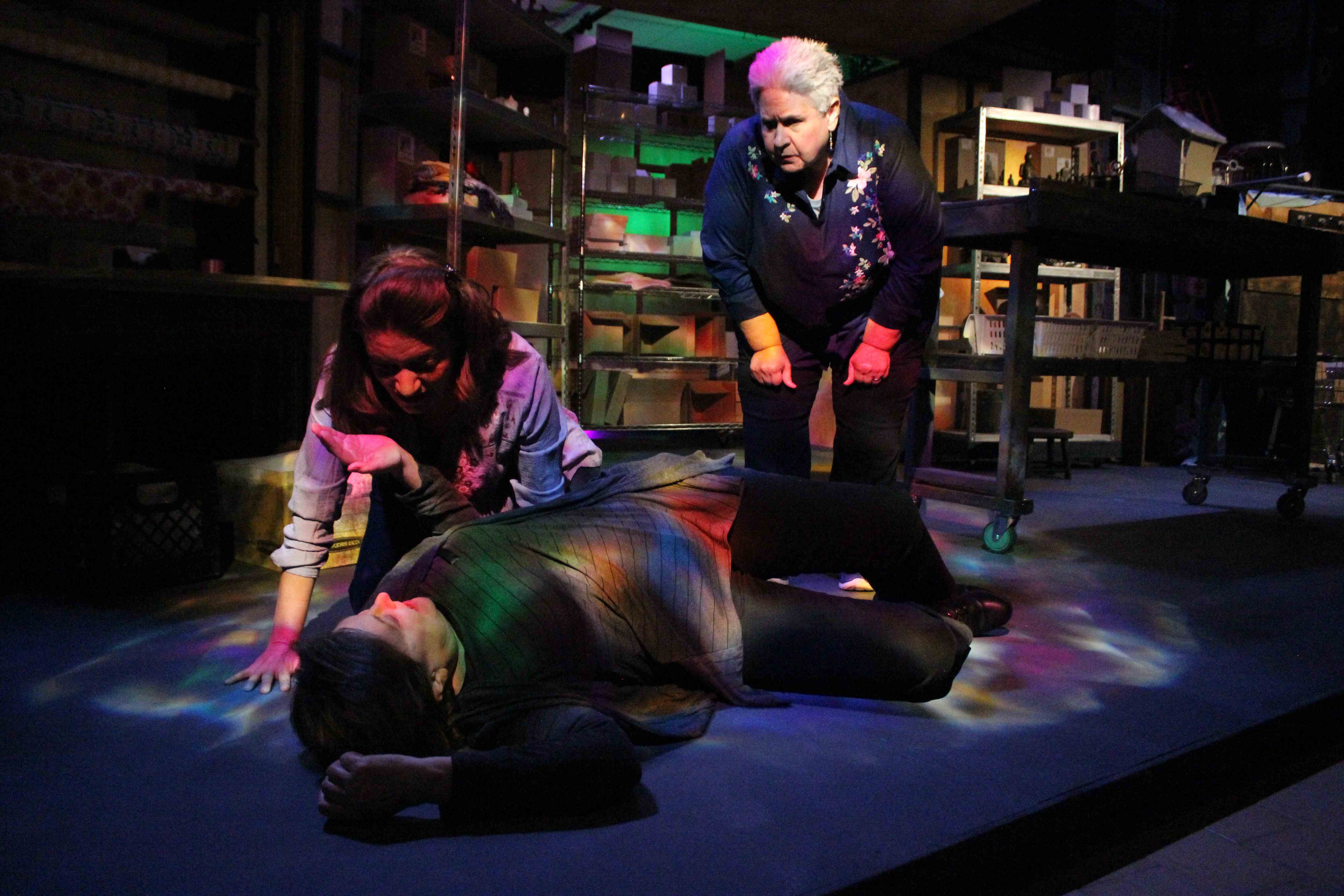
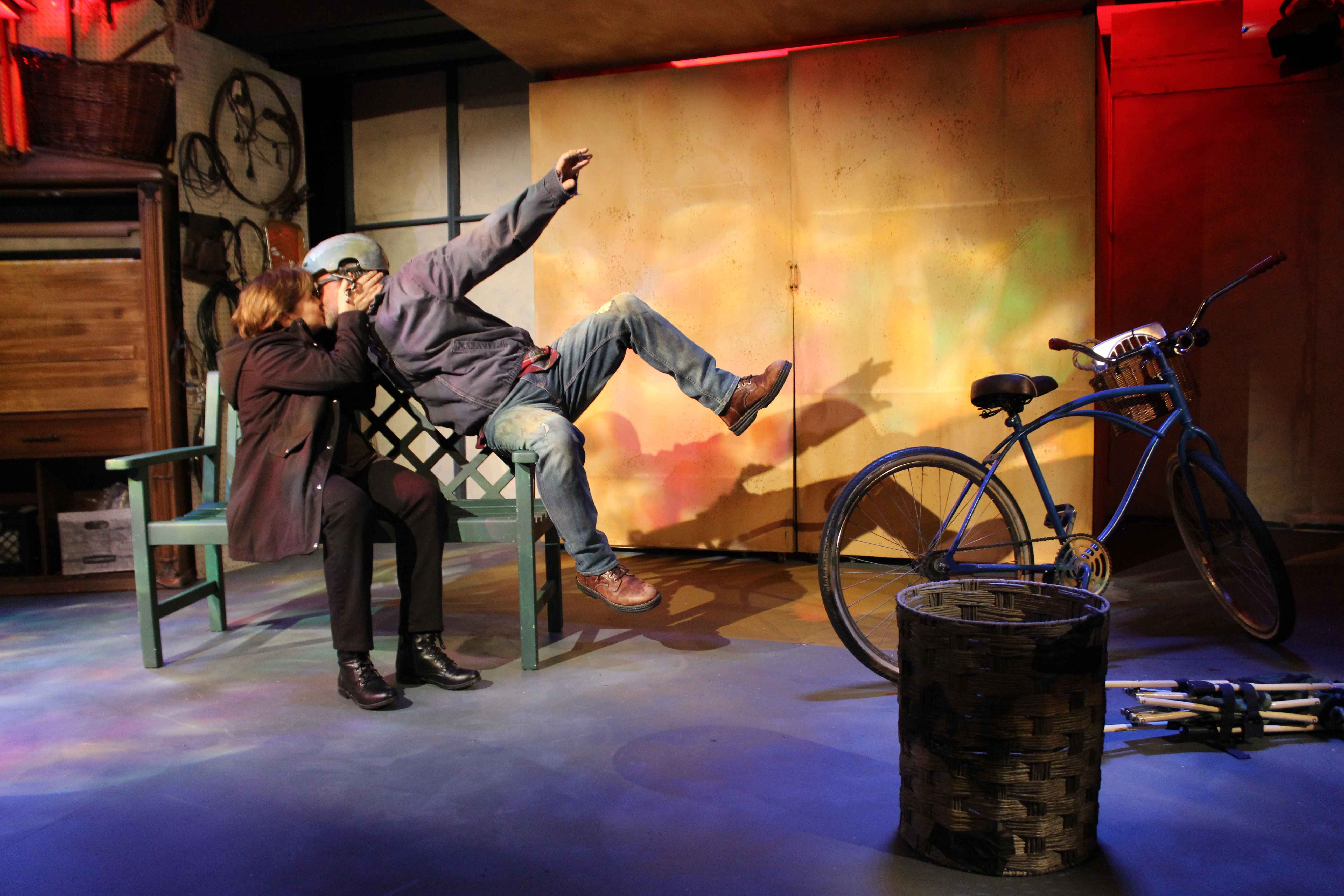
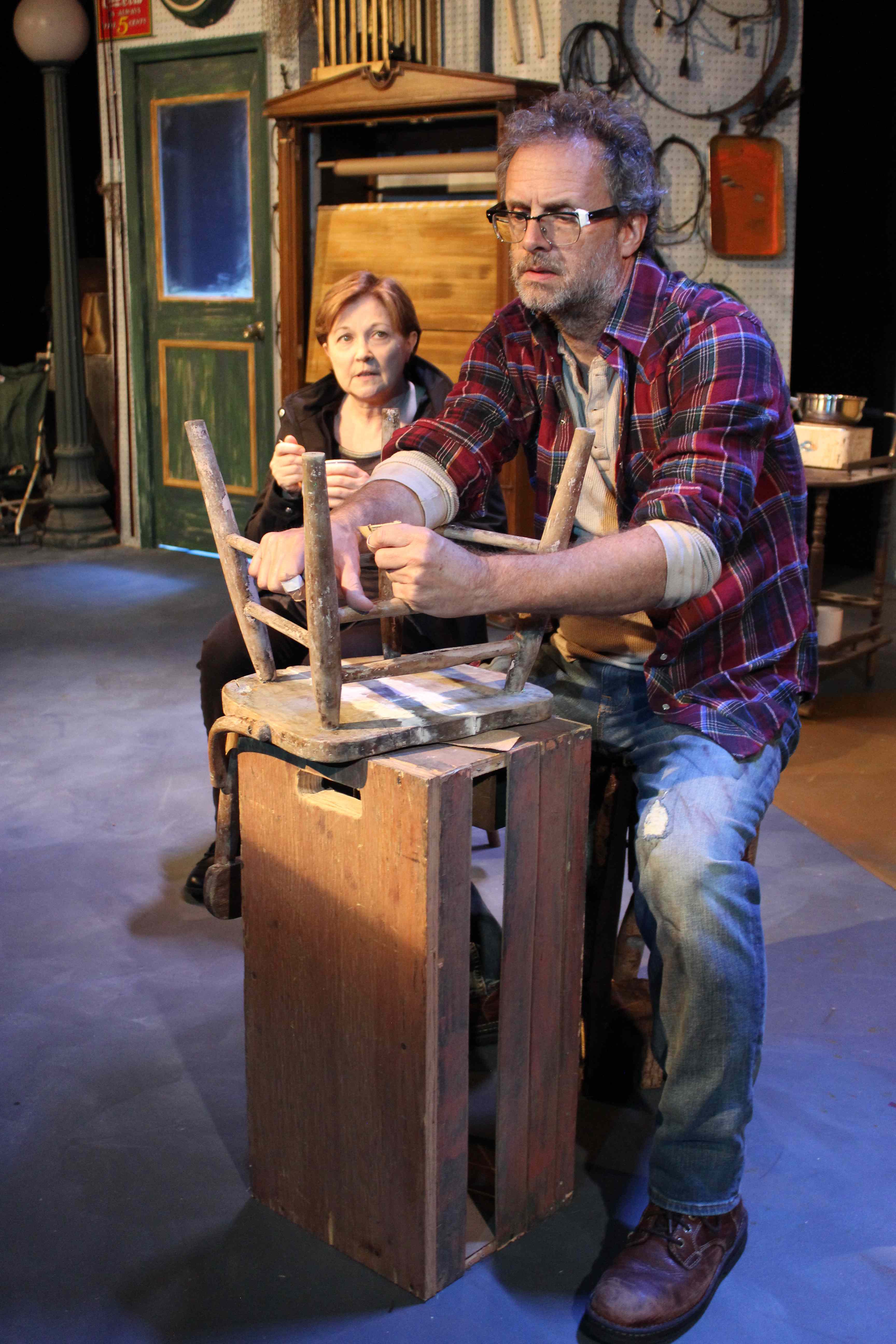
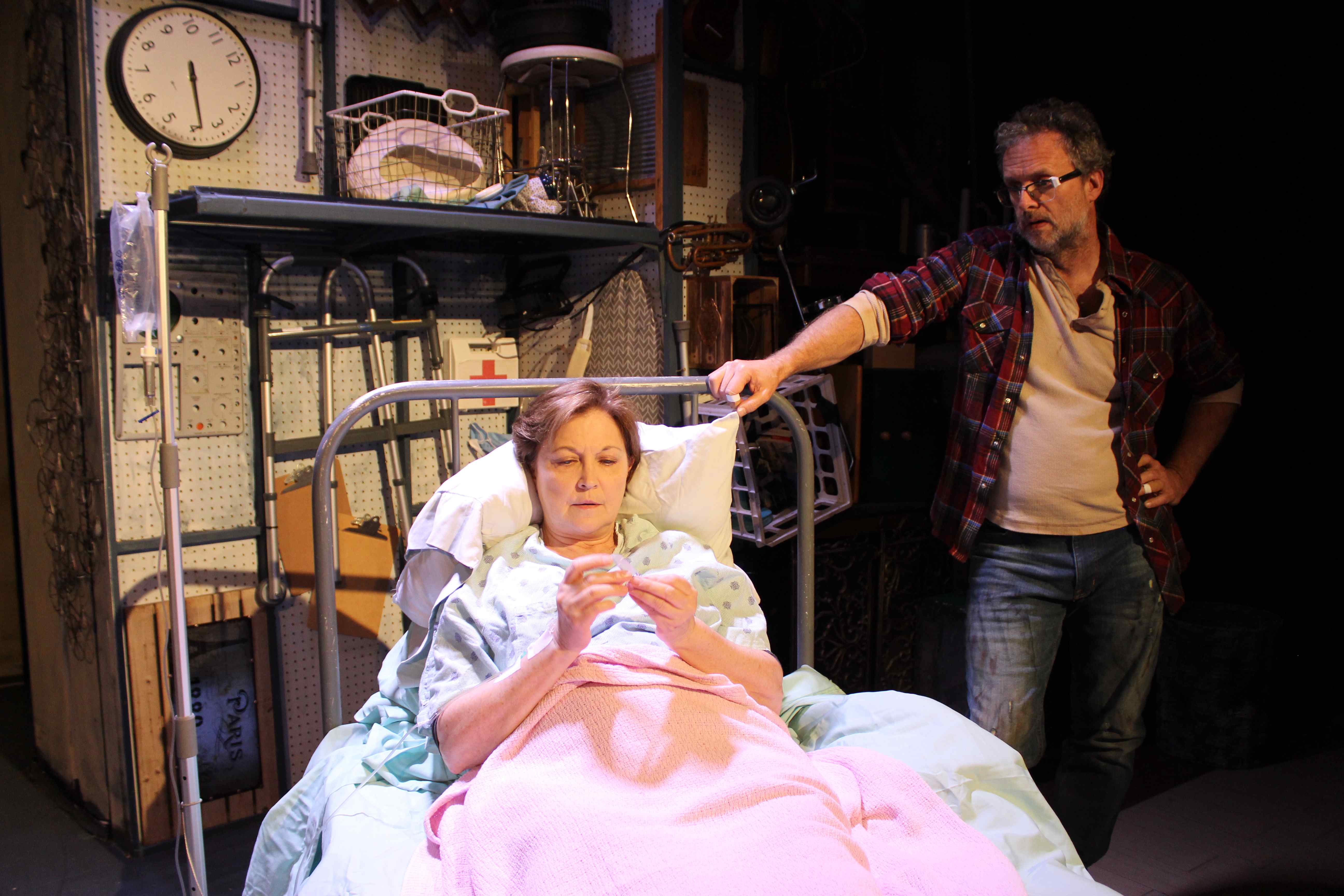
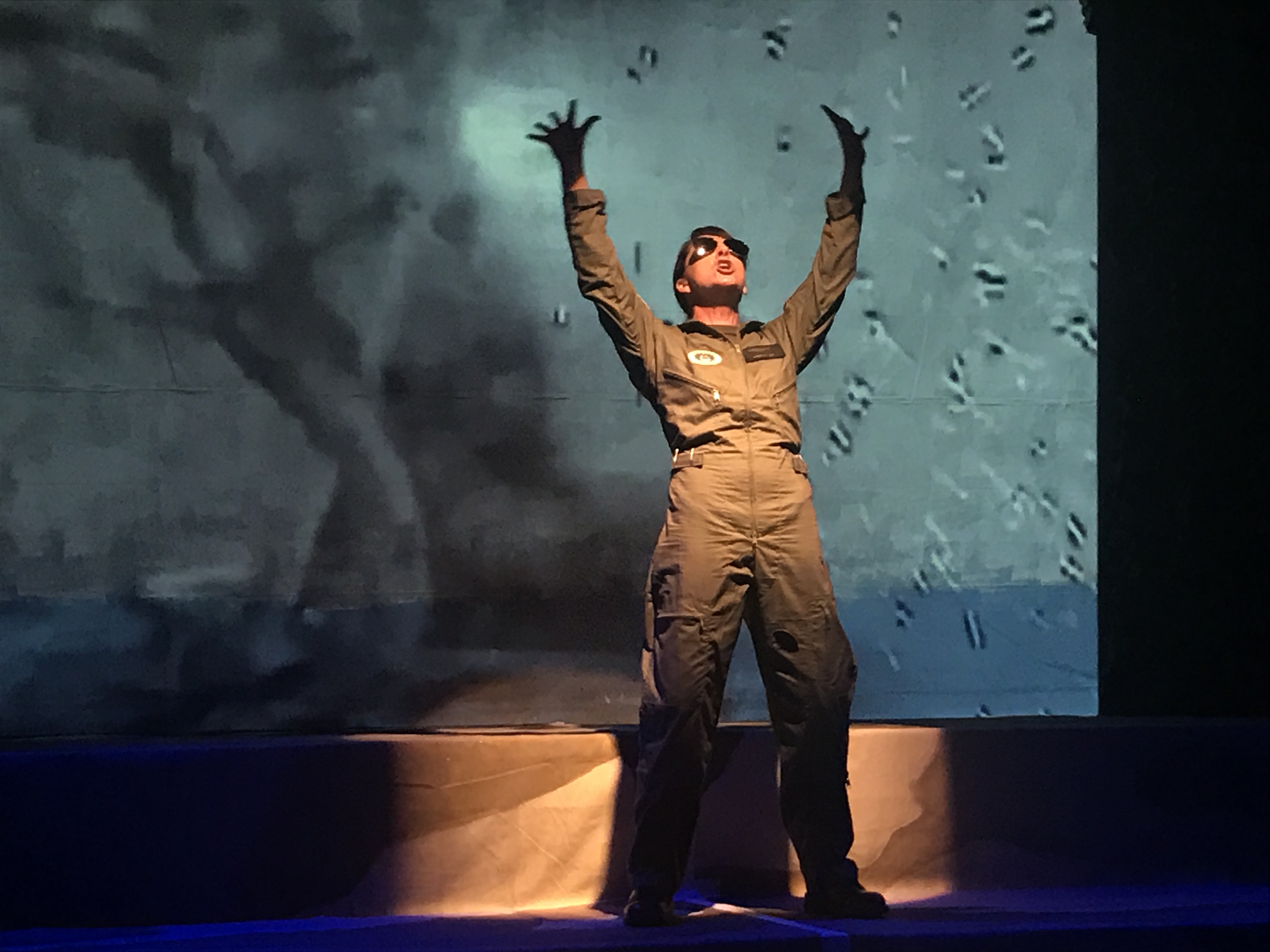 There are two things you need to know about Grounded, the current show from Thinking Cap Theatre at The Vanguard in Fort Lauderdale. There are only two performances left, and you should do whatever you can to see this magnificent production.
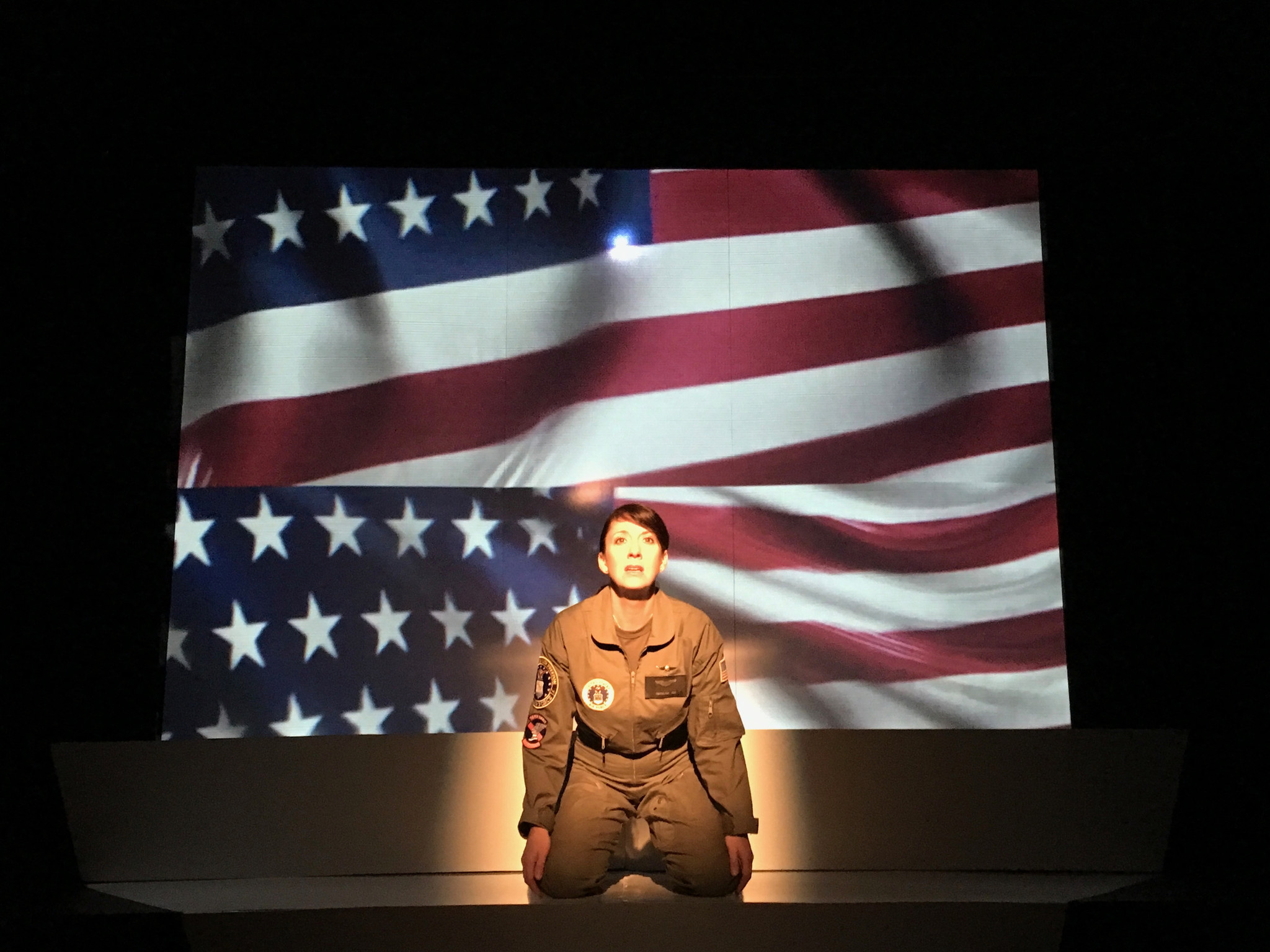 Nicole Stodard is a visionary, both in her choice of material for Thinking Cap, which she founded, and with her direction and design of her productions. In Grounded, the use of projections, designed by Cat Del Buono, allow the audience into the pilot’s world and into her head, creating a marriage of style and substance that complements Fridh’s compelling performance without overshadowing it.
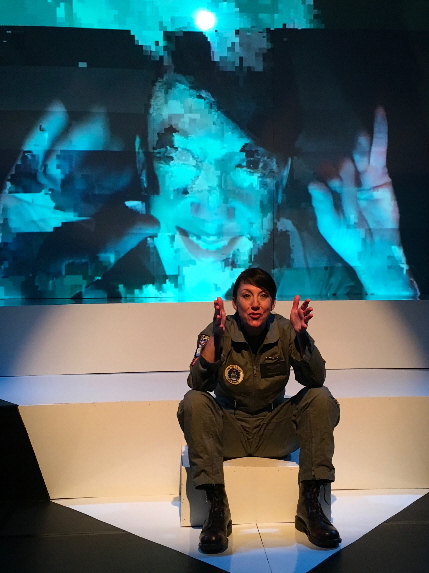 Grounded rests squarely on Fridh’s slender shoulders, and she is strong enough to not only pull it off, but turn it into an edge-of-your-seat nail biter. On stage alone for 80 brisk minutes, she never falters. With macho swagger, Fridh deftly conveys the pilot’s exhilaration of flying and living the fighter pilot lifestyle, and later the struggle of balancing her profession with her role as a wife and mother. And when the pilot begins to realize the consequences of her actions, Fridh ratchets up the intensity of her performance, becoming even more riveting and intense as the psychological effects of her job take their toll.
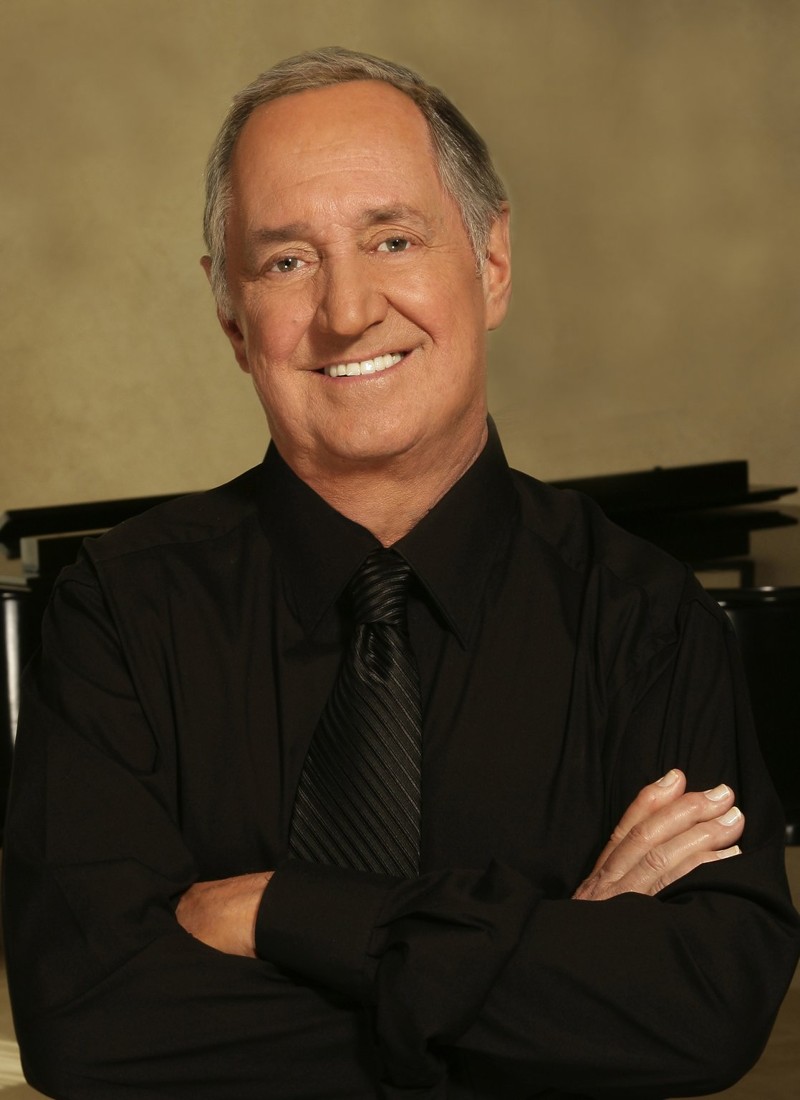 Neil Sedaka taught us that breaking up is hard to do, but breaking up with Neil Sedaka is impossible.
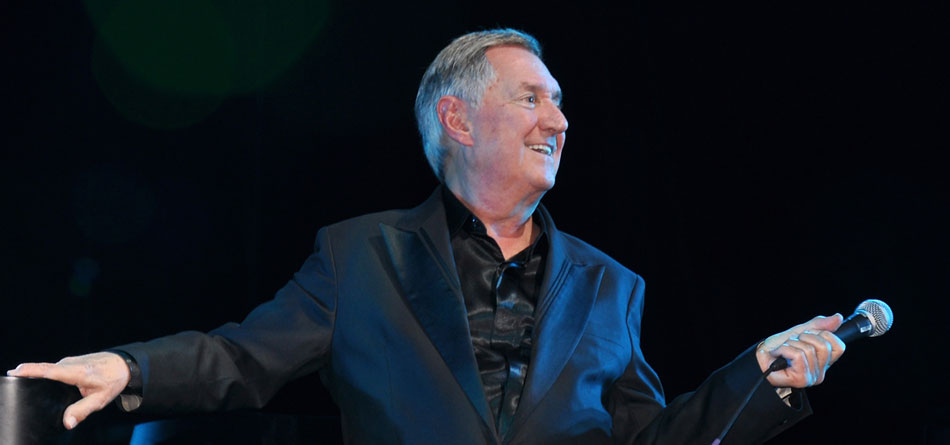 Sedaka opened with Bad Blood, his 1975 hit which featured vocals by Elton John, and ended with another song from 1975 that’s still timely, The Immigrant. In between, he sang hits that he and other artists made famous: Oh! Carol, The Diary, Where the Boys Are, Next Door to an Angel, Calendar Girl, Solitaire, Love Will Keep Us Together, Laughter in the Rain, The Hungry Years, and so many others. One fun segment featured a video of Calendar Girl he made in the 1960s, which illustrated the lyrics with a bevy of beauties in bizarre costumes. He also performed the original upbeat 1962 Breaking Up is Hard To Do, and for an encore, played the smoky, ballad version he recorded in 1975.
 marydamiano.com